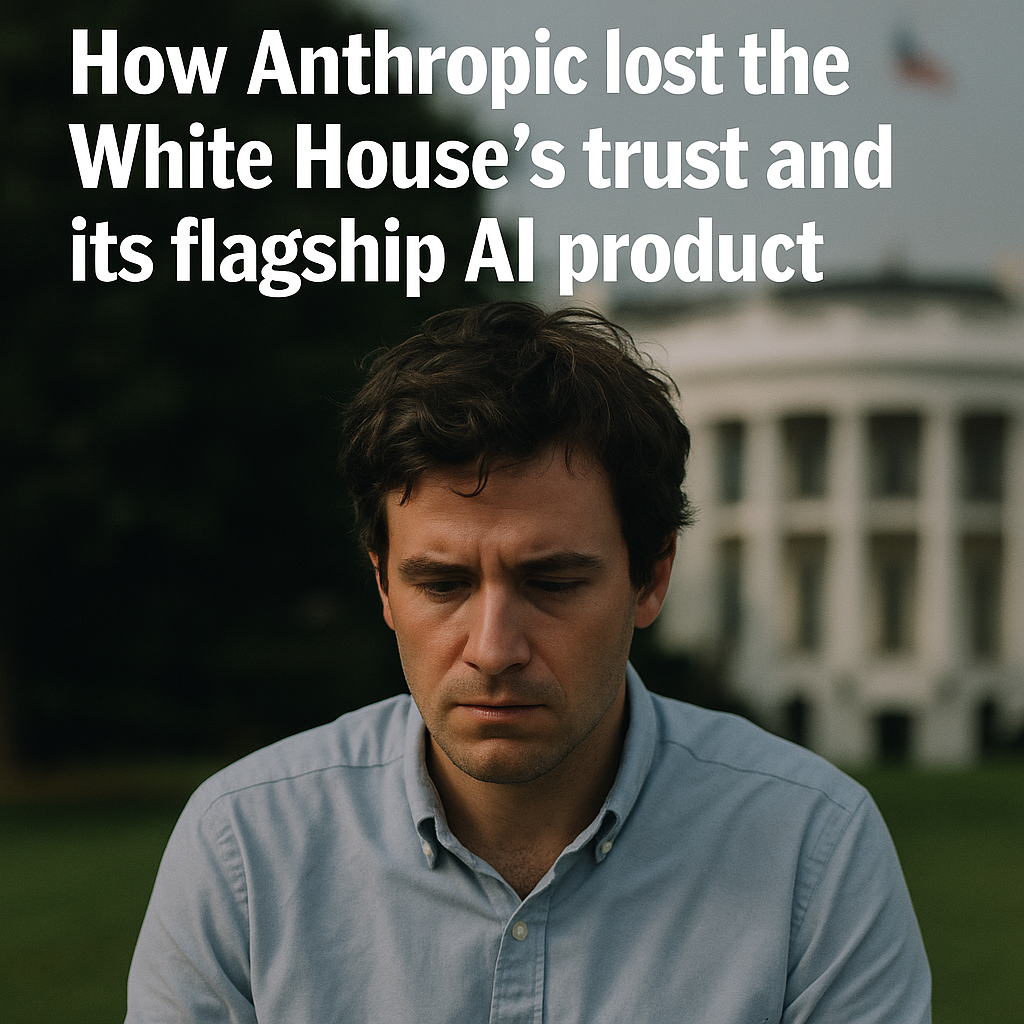
How Anthropic Lost the White House’s Trust and Its Flagship AI Product
In the rapidly evolving artificial intelligence industry, trust and credibility are paramount—especially when dealing with government entities. Anthropic, once regarded as a promising AI startup, faced a steep decline in trust from the White House, which eventually impacted the fate of its flagship product. This article explores the circumstances and key factors that led to this loss of trust and how it shaped the trajectory of the company’s AI offerings.
Understanding Anthropic’s Role in AI Innovation
Anthropic emerged as a distinctive player in the AI space with a strong commitment to building safe and aligned artificial intelligence systems. The company’s flagship product was developed with safety, reliability, and ethical considerations at its core—qualities that initially attracted attention from policymakers and government officials.
Early Enthusiasm and Government Support
During its initial stages, Anthropic was seen as an important partner for governmental bodies seeking to understand and regulate the impact of AI technologies. The White House, prioritizing responsible AI development, looked favorably on companies demonstrating transparency and ethical responsibility, which Anthropic promised to deliver.
Factors Contributing to the Loss of Trust
Despite early promise, several factors contributed to the erosion of trust between Anthropic and the White House. These factors are crucial in understanding how a company’s internal decisions and external communications can affect its credibility with major stakeholders.
Lack of Transparency and Communication Gaps
One of the primary issues was a perceived lack of transparency regarding the capabilities and limitations of Anthropic’s flagship product. This created uncertainty for governmental regulators and policymakers who rely on clear and timely information to shape AI governance frameworks.
Concerns Over Product Performance and Safety
Performance inconsistencies and safety concerns surrounding the product further amplified doubts. In an environment where AI systems can have significant societal impacts, these concerns raised alarms and raised questions about Anthropic’s commitment to aligning AI behavior with ethical standards.
Competitive Pressures and Strategic Shifts
Amid competitive pressures from other leading AI developers, Anthropic faced challenges in maintaining its innovation momentum. Strategic shifts and restructuring within the company also affected its stability and long-term vision, contributing indirectly to the White House’s waning confidence.
The Impact on Anthropic’s Flagship Product
The decline in trust not only affected Anthropic’s government relations but also led to significant repercussions for its flagship AI product.
Reduced Government Collaboration and Funding
With diminished trust, collaborative opportunities and potential government contracts or funding were curtailed. This reduced resources and slowed down the product’s development and deployment roadmap.
Market Perception and Business Challenges
Trust issues adversely influenced market perception, making potential clients and partners wary. This diminished demand and limited the product’s commercial success, further straining the company’s growth prospects.
Lessons Learned from Anthropic’s Experience
Anthropic’s story offers vital lessons for AI companies aspiring to work closely with government institutions and succeed in a highly scrutinized field.
- Maintain Rigorous Transparency: Clear and honest communication about product capabilities and risks builds credibility.
- Prioritize Safety and Ethics: Ensuring products meet safety standards and ethical norms is essential for trust.
- Stay Consistent and Stable: Internal alignment and strategic clarity foster confidence among stakeholders.
Conclusion
The decline in trust between Anthropic and the White House highlights the delicate balance AI companies must maintain when positioning themselves as responsible innovators. Building and maintaining trust through transparency, safety prioritization, and consistent communication is crucial—not just to secure governmental support but to ensure long-term success in the competitive AI landscape. As Anthropic’s experience shows, losing trust can have profound consequences, impacting both public perception and the viability of key products.