


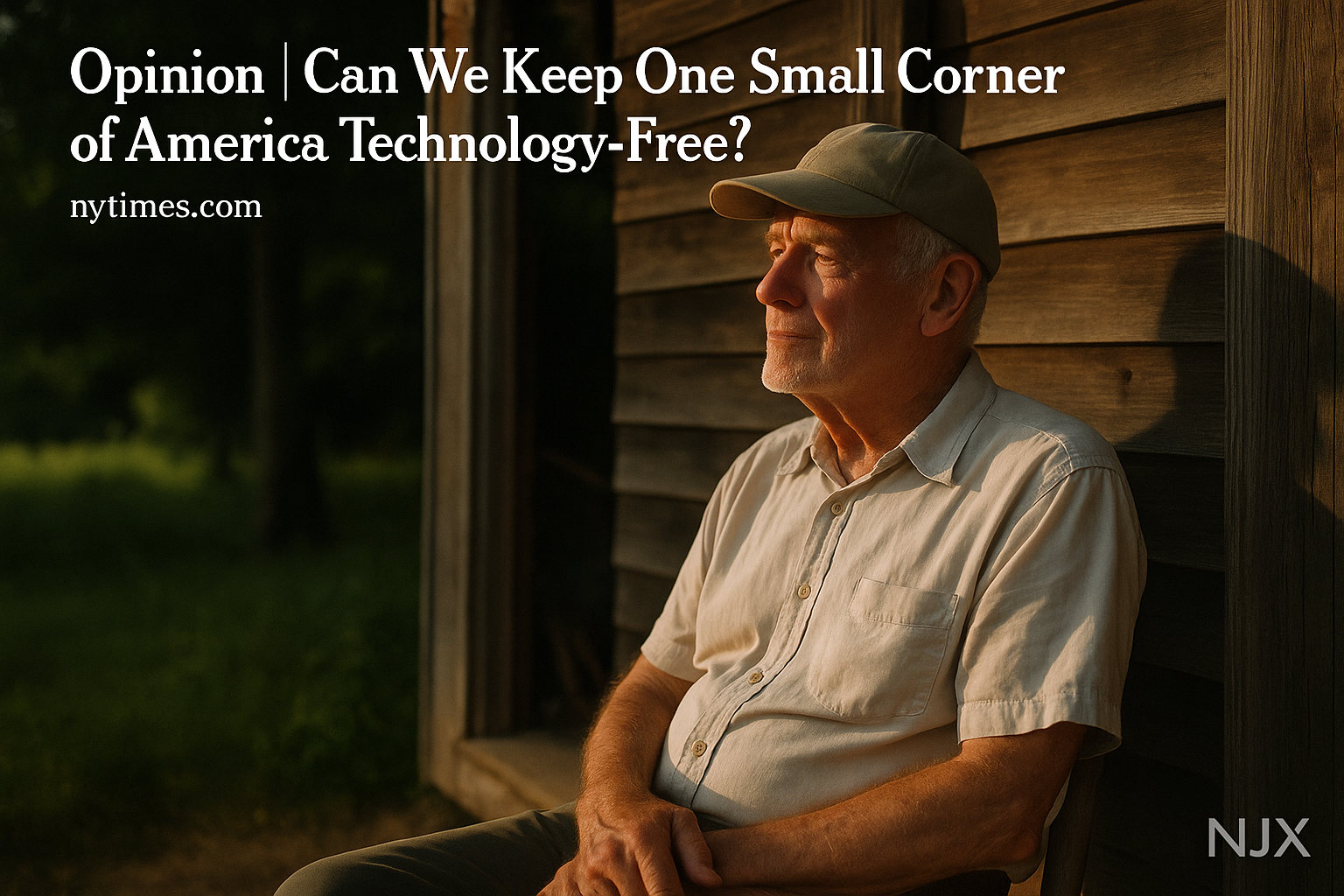
Can We Keep One Small Corner of America Technology-Free?
In a world increasingly dominated by technology, the idea of preserving a technology-free space seems both nostalgic and radical. As devices become more integrated into our daily lives, discussions about the value of disconnecting and dedicating areas free from digital intrusion have become more relevant. But is it really possible to keep one small corner of America technology-free? Let’s explore the challenges, benefits, and implications of maintaining such a space in today’s digital age.
The Concept of Technology-Free Zones
Technology-free zones are spaces intentionally designed to exclude digital devices such as smartphones, computers, televisions, and Wi-Fi connectivity. The goal is to foster face-to-face communication, closer connections with nature, and mental well-being free from digital distractions.
Historical Precedents and Modern Attempts
- Some indigenous communities and rural areas have long maintained minimal technological influences.
- Retreat centers and wellness resorts have created technology-free zones for relaxation and mindfulness.
- Certain schools and workplaces implement limited or no-device policies to encourage focus and interaction.
Challenges in Creating a Technology-Free Corner
While appealing in theory, maintaining a genuinely technology-free area brings several practical challenges.
Ubiquity of Technology
The pervasive nature of mobile devices means nearly everyone carries technology wherever they go, making strict technology restrictions difficult to enforce.
Connectivity Expectations
Many people rely on technology for emergencies, work, and social connections, creating resistance to technology bans.
Economic and Social Factors
Businesses and communities often depend on digital infrastructure for economic growth, communication, and access to services.
Benefits of Preserving Technology-Free Spaces
Despite the challenges, there are compelling reasons to advocate for keeping some areas technology-free.
Mental Health and Well-Being
Reducing screen time and digital distractions promotes mindfulness, reduces stress, and improves focus.
Encouraging Human Connection
Technology-free environments foster face-to-face interactions, building stronger social bonds and community ties.
Environmental Appreciation
Without digital distractions, individuals can engage more deeply with nature and their surroundings.
Practical Steps to Establish Technology-Free Areas
Creating technology-free spaces requires thoughtful planning and community buy-in. Here are some strategies:
- Designated Zones: Establish clear and well-communicated zones where technology use is limited or prohibited.
- Community Engagement: Involve local residents and businesses to support and respect technology-free initiatives.
- Alternative Activities: Provide engaging, technology-free activities like hiking, reading, or group events.
- Policy and Signage: Set guidelines and use signage to inform visitors about technology-free expectations.
Is It Realistic to Keep Technology at Bay?
While challenging, keeping one small corner of America technology-free is not impossible. It may require a cultural shift valuing digital disconnection and intentional living. Some may view it as a form of resistance to overwhelming digital saturation, while others see it as an opportunity for revitalization of human interaction and community spirit.
Ultimately, these spaces can serve as reminders that technology is a tool—not a necessity—in every aspect of life. They encourage balance, highlighting the importance of both connectivity and disconnection.
Conclusion
The prospect of maintaining a technology-free corner in America invites deep reflection on our relationship with digital tools. While obstacles exist, the benefits to mental health, social connection, and environmental engagement make it a worthwhile pursuit. Through conscious effort, community cooperation, and clear boundaries, it is possible to preserve areas where technology’s presence is minimized, allowing individuals to experience life without constant digital interference.
As technology continues to evolve, so too should our approaches to managing it in our lives—sometimes that means deliberately stepping away to enjoy a technology-free corner of America.
