


Introduction
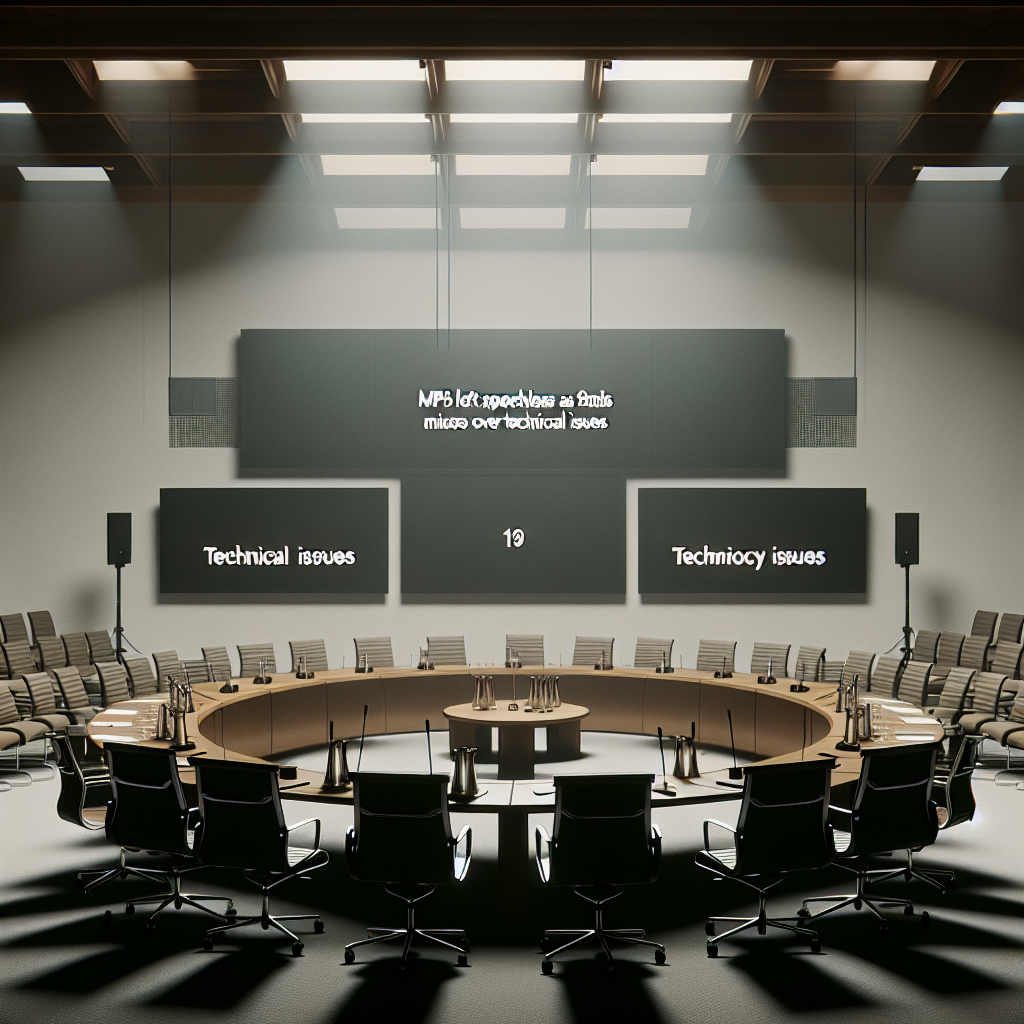
In a recent parliamentary session that garnered significant attention, members of parliament (MPs) were left taken aback after automotive giant Stellantis failed to appear at a scheduled hearing. The company cited technical difficulties as the reason behind their absence, sparking a wave of frustration and calls for accountability. This incident not only disrupted the flow of the hearing but also raised questions about corporate transparency and responsibility.
What Happened at the Hearing?
The hearing, which was organized to discuss crucial topics pertaining to the automotive industry’s future and environmental policies, saw an unexpected hiccup. Stellantis, one of the world’s largest automotive manufacturers, was expected to provide insights and answer parliamentarians’ questions. However, when the allocated time arrived, Stellantis representatives were nowhere to be found.
According to official statements from Stellantis, the company experienced unforeseen technical issues that prevented their participation. Despite repeated attempts to connect virtually, these problems persisted, leading to the firm’s absence. MPs expressed their disappointment, describing the situation as ‘speechless’ due to the lack of prior communication and the missed opportunity for engagement.
MPs’ Reactions and Impact
Members of parliament did not hold back their reactions following the no-show. Many voiced concerns over Stellantis’ apparent disregard for the parliamentary process and the importance of transparency, particularly at a time when the automotive sector faces intense scrutiny related to environmental commitments and job security.
Some MPs suggested that technical issues, while plausible, should have been addressed in advance or communicated promptly to avoid wasting valuable parliamentary time. The incident has prompted calls for stricter protocols to ensure that corporations engage reliably in such hearings, highlighting the need for accountability and respect toward legislative procedures.
Broader Implications for Corporate Accountability
This episode involving Stellantis reflects broader challenges faced by corporations when interacting with government bodies. Transparent communication and cooperation are paramount, especially on issues with wide-reaching societal impacts such as environmental regulation and industry sustainability.
The failure to attend the hearing raises concerns regarding Stellantis’ commitment to these discussions and may affect public and governmental trust. The situation underscores the necessity for businesses to prioritize these engagements and ensure technical readiness for virtual or in-person meetings.
What This Means for the Automotive Industry
The absence of a major player like Stellantis from an important parliamentary hearing could have ripple effects across the automotive industry. As governments worldwide increasingly focus on environmental policies, emissions standards, and the transition to electric vehicles, active corporate participation is essential for productive dialogue and policymaking.
Stellantis’ no-show serves as a cautionary tale about the risks companies face when they fail to engage constructively with policymakers. It also emphasizes the importance of adapting to current communication technologies and ensuring robust systems are in place to prevent such technical failures.
Conclusion
The unexpected absence of Stellantis from a key parliamentary hearing due to technical issues has left MPs, and observers alike, both frustrated and concerned. This incident highlights the critical need for transparency, reliability, and proactive communication between corporations and government institutions. Moving forward, companies must recognize the importance of these engagements and prepare accordingly to maintain trust and contribute effectively to policy discussions that shape their industries and society at large.
