Introduction
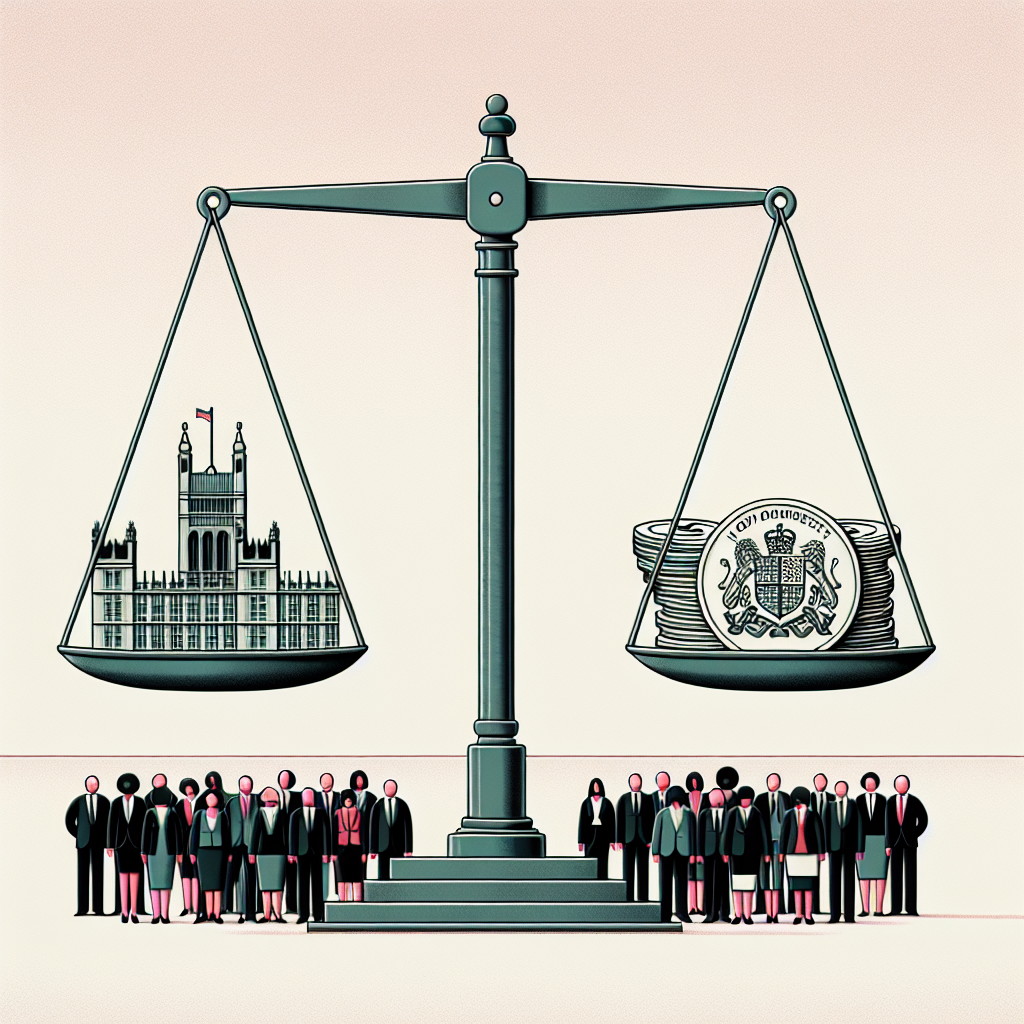
As Canada’s Members of Parliament (MPs) prepare to cast their votes on the upcoming budget, the fate of the government itself is also on the line. This critical moment not only determines the country’s financial direction for the coming year but also signals the stability and future of the current administration. The CBC reports that this vote could reshape political dynamics and influence national policy.
The Importance of the Budget Vote
The federal budget is a pivotal document that outlines government spending, taxation, and economic priorities. Beyond its fiscal implications, a budget vote in the House of Commons often serves as a confidence measure for the government. If the budget fails to pass, it can trigger the fall of the government and possibly lead to an election.
In this critical vote, MPs are weighing complex factors such as economic recovery strategies post-pandemic, healthcare funding, infrastructure projects, and social programs. The budget is expected to address key challenges including inflation rates, employment, and investment in green technologies.
Political Stakes for the Government
The ruling party’s survival depends heavily on securing enough support from MPs, including those from smaller parties or independent members. Opposition parties may use this opportunity to push for concessions or express dissatisfaction with the government’s policies. A failed budget could signify loss of confidence, forcing the Prime Minister to either resign or request the Governor General to call an election.
Parliamentary Dynamics and Key Players
The vote brings into focus the role of various political actors. The governing party must negotiate and build alliances to navigate a closely divided Parliament. Significant attention is being paid to the stances of opposition parties like the Conservatives, the New Democratic Party (NDP), and the Bloc Québécois, as well as independent MPs who may hold the balance of power.
Lobbying efforts and public opinion also shape the proceedings. Citizens and stakeholders express expectations for responsible budget planning that promotes economic growth while safeguarding social welfare.
Potential Outcomes and Implications
Should the budget pass, the government secures a mandate to implement its agenda, offering stability and continuity. However, if the budget is defeated, the consequences are profound. A lost vote may lead to the dissolution of Parliament and a federal election, injecting uncertainty into Canada’s political and economic climate.
Moreover, the budget’s content will impact Canadians directly—determining funding levels for essential services, influencing taxation, and setting priorities for federal programs.
Conclusion
The upcoming budget vote in the Canadian Parliament is more than just a financial statement—it is a decisive moment for the government’s future and the country’s direction. As MPs prepare to make their decisions, all eyes are on Parliament Hill, where political maneuvering and collaboration will shape Canada’s path forward. Whether the government secures its mandate or faces potential upheaval, the outcome will resonate with Canadians across the nation.