


Introduction
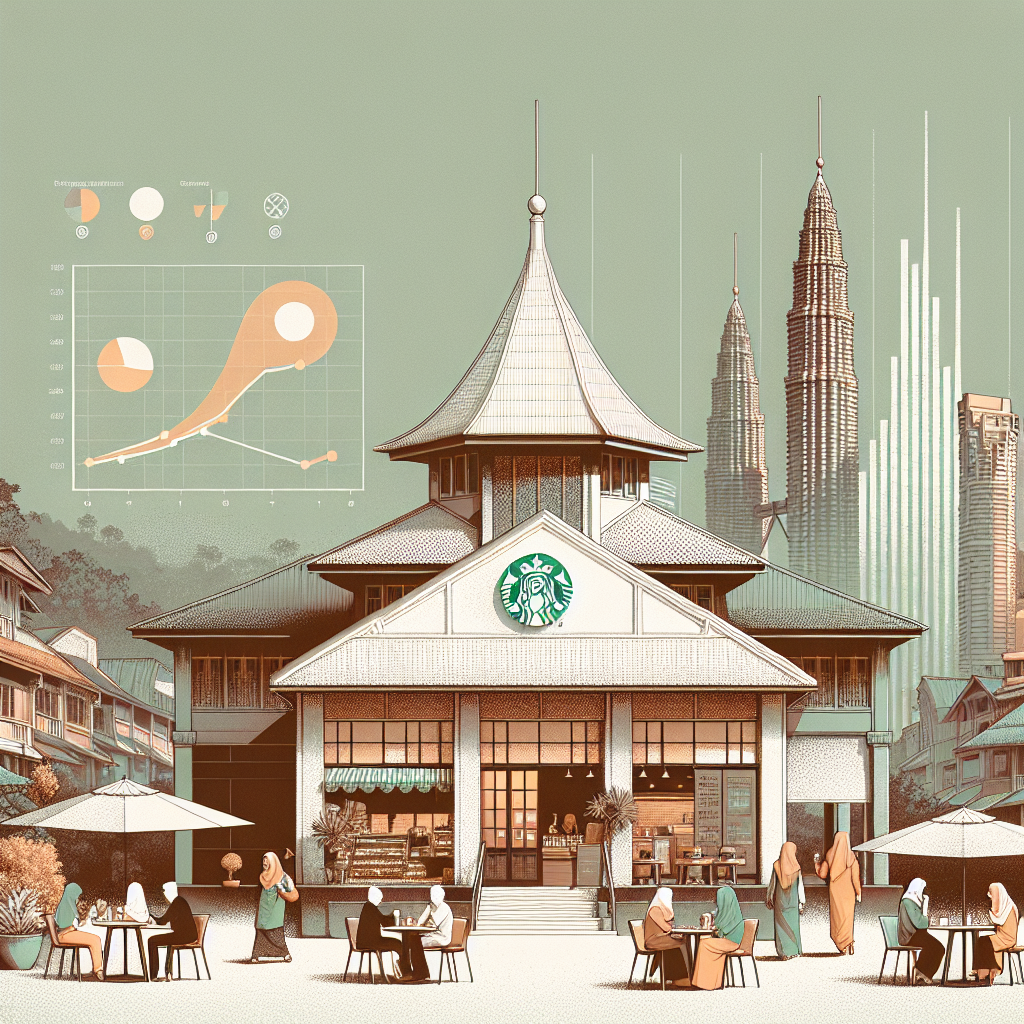
Starbucks Malaysia’s operator has recently experienced a significant business rebound after a period of declining sales caused by consumer boycotts. The coffee giant’s local operations faced headwinds amid social and political tensions, but recent developments signal a promising turnaround. This post delves into the challenges Starbucks Malaysia faced, the reasons behind the boycotts, and how the company is regaining momentum in the competitive Malaysian market.
Background: The Boycotts and Their Impact
Starbucks Malaysia’s operator, Berjaya Food Berhad, encountered a wave of consumer boycotts that severely impacted its business performance. These boycotts largely stemmed from political controversies and public backlash related to the company’s perceived affiliations and stances on sensitive local issues. The negative sentiment translated into decreased foot traffic and sales across Malaysia’s Starbucks outlets.
During the peak of the boycotts, Starbucks Malaysia witnessed a noticeable drop in revenue, affecting its market share and investor confidence. The situation presented a challenge not only to the coffee chain but also to its local operator, requiring strategic interventions to restore consumer trust and business growth.
Strategies Behind the Rebound
In response to the setbacks, Berjaya Food Berhad and Starbucks Malaysia implemented several measures to regain consumer confidence and reinvigorate sales.
Enhanced Marketing and Community Engagement
Starbucks intensified its marketing efforts by focusing on local community engagement and tailored campaigns that resonated well with Malaysian consumers. By highlighting local flavors, promoting corporate social responsibility initiatives, and hosting community events, Starbucks rebuilt its image as a socially responsible and culturally sensitive brand.
Operational Improvements and Customer Experience
The company also worked on improving in-store experiences by adopting digital innovations, enhancing safety protocols post-pandemic, and introducing new product offerings to attract a wider customer base. These operational enhancements contributed to higher customer retention and increased average spending per visit.
Strategic Partnerships and Expansion Plans
Strategic alliances with local suppliers and expansion into underserved areas further helped Starbucks capture new market segments. By broadening its footprint and adapting to evolving consumer preferences, Starbucks Malaysia positioned itself for sustainable growth.
Results: Signs of Recovery
Recent financial reports indicate that Starbucks Malaysia’s business is on the rebound. Sales figures have improved steadily as consumer sentiment shifts positively. Berjaya Food Berhad reported enhanced quarter-over-quarter revenue, reflecting successful turnaround strategies. Moreover, brand perception studies show increased favorability among Malaysian consumers, suggesting the boycott’s impact is waning.
The rebound is important not just for Starbucks but also for the broader food and beverage industry in Malaysia, illustrating resilience amid socio-political pressures and market challenges.
Conclusion
Starbucks Malaysia’s journey from facing boycotts to achieving a business rebound highlights the importance of adaptability, community connection, and strategic innovation. Despite the hurdles, the local operator’s focused efforts in rebuilding consumer trust and enhancing service offerings have facilitated a solid recovery. As Starbucks continues to strengthen its presence across Malaysia, its experience serves as a valuable case study on managing brand reputation and overcoming market adversities.
