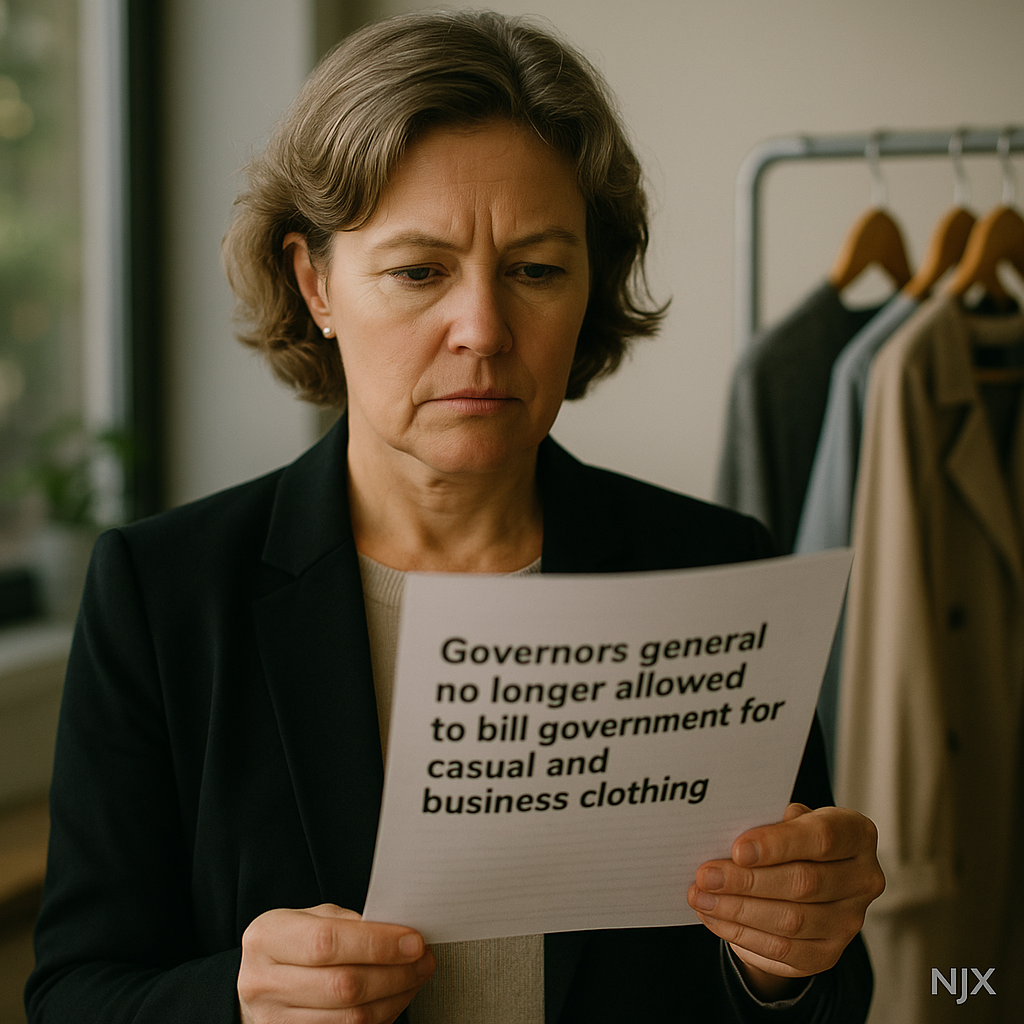
Governors General No Longer Allowed to Bill Government for Casual and Business Clothing
The role of the governor general holds significant responsibility and symbolism within a country’s constitutional framework. It represents the Crown at the federal level and involves numerous ceremonial, official, and public duties. Traditionally, governors general have had certain expenses covered by the government, including costs related to clothing suitable for official engagements. However, a recent policy change means that governors general can no longer bill the government for casual and business clothing.
Understanding the Policy Change
The decision to restrict clothing expenses for governors general reflects growing scrutiny over government spending and accountability. Historically, clothing worn during official ceremonies, formal events, and public appearances was often funded by public resources. This included both formal regalia and everyday business attire deemed necessary for the role.
Now, governors general are restricted from charging the government for casual and business attire. This change aims to foster greater transparency and ensure taxpayer money is spent responsibly while maintaining the dignity and functionality of the governor general’s office.
What Clothing Can Still Be Funded?
While the new rule disallows billing for casual and business wear, clothing that is specific to the official functions of the governor general remains a necessary expenditure. This typically includes:
- Formal ceremonial attire
- Official decorations and regalia
- Special outfits designed or tailored for state occasions
These items are distinct from everyday clothing and are considered essential to the performance of official duties.
Implications for Governors General
Financial Responsibility and Public Perception
By limiting claims for casual and business clothing, governors general must now personally finance or seek alternative funding for such attire. This may influence how governors general manage their wardrobes and budget for official appearances.
The change is also expected to improve public perception of government spending by ensuring that funds are directed towards mission-critical needs rather than personal expenses.
Supporting Accountability and Transparency
This policy aligns with broader government initiatives focused on accountability. In recent years, there has been increasing public demand for fiscal responsibility and transparency across all levels of government. Ensuring that public officials are not able to charge for everyday clothing aligns with these values.
Broader Context of Expense Policies in Government
The policy change for governors general is part of a larger trend to tighten expense regulations for public officials. Across various government roles, expense claims are continually being reviewed and revised to ensure best practices. Common themes include:
- Clear guidelines on reimbursable expenses
- Restrictions on non-essential or personal expenditures
- Regular audits and public disclosure of spending
These measures help promote integrity and trust in public institutions.
Conclusion
The recent change preventing governors general from billing the government for casual and business clothing marks an important step towards fiscal responsibility and transparency. While essential ceremonial attire continues to be funded, everyday clothing expenses now fall outside reimbursable costs. This policy reinforces public trust and encourages prudent use of public funds while maintaining the respect and dignity of the governor general’s role.
As expectations for accountability grow, such policies will likely influence other aspects of government operations, contributing to a culture of responsible spending and enhanced public confidence.