


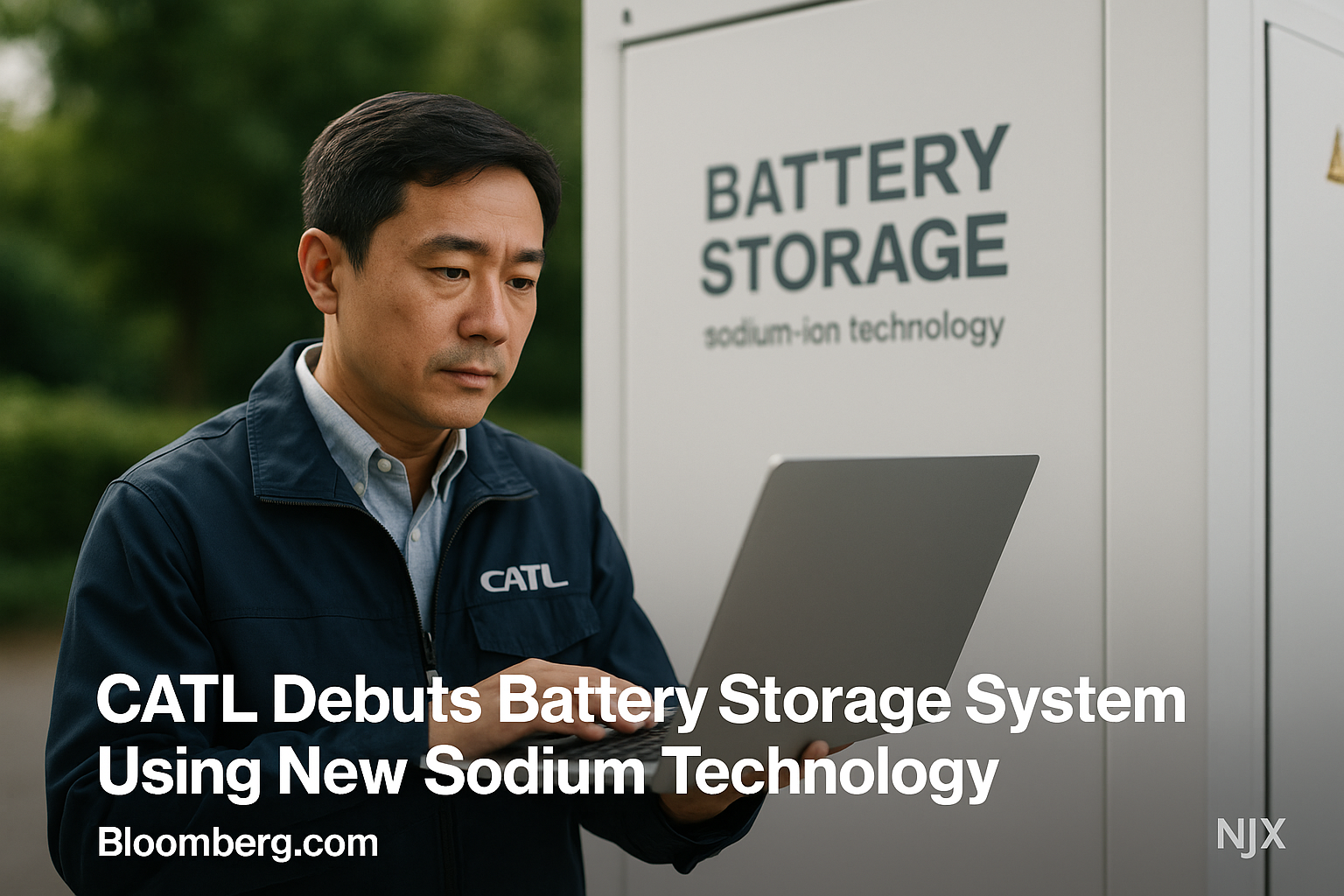
CATL Launches Innovative Battery Storage System with Sodium Technology
The advancement of battery technology plays a crucial role in the global shift towards renewable energy and sustainable power storage. Recently, CATL, a major player in the battery industry, unveiled a new battery storage system utilizing cutting-edge sodium-based technology. This innovation marks a significant step forward in the development of efficient, cost-effective, and environmentally friendly energy storage solutions.
What Is Sodium Battery Technology?
Sodium battery technology employs sodium ions as the charge carriers instead of lithium ions, traditionally used in most batteries today. Sodium, being more abundant and less expensive than lithium, offers several advantages that could transform battery storage systems.
Advantages of Sodium Batteries
- Cost-Effectiveness: Sodium is more widely available and cheaper than lithium, reducing the overall battery production cost.
- Resource Abundance: Sodium resources are abundant globally, decreasing the supply risks linked with lithium extraction.
- Environmental Impact: Utilizing sodium can minimize ecological damage compared to lithium mining.
- Safety: Sodium batteries generally feature enhanced safety profiles, with lower risks of overheating or fire.
CATL’s New Battery Storage System
By integrating sodium-based battery technology into its new storage system, CATL aims to provide an energy storage solution that balances performance, affordability, and sustainability.
Key Features
- High Energy Density: While traditionally viewed as inferior to lithium-ion in energy density, advances in sodium battery chemistry have narrowed this gap.
- Long Cycle Life: Sodium batteries developed by CATL promise longer usage cycles, making them reliable for extended applications.
- Fast Charging: This new system supports relatively rapid charging capabilities, vital for energy storage in fluctuating renewable environments.
Implications for Renewable Energy Storage
Adoption of sodium battery storage systems could revolutionize how renewable energy is stored and utilized worldwide.
Integration with Solar and Wind Power
The volatility and intermittency of solar and wind power require efficient energy storage solutions. CATL’s sodium battery system can help address these challenges by providing:
- Cost-effective large-scale storage to smooth out supply fluctuations.
- Improved energy reliability for homes, businesses, and grid systems.
Enhancing Grid Stability
Grid operators benefit from batteries capable of fast response and long service life. CATL’s system offers the practical potential to stabilize grids and reduce dependence on fossil-fueled backup power.
Challenges Ahead
Despite promising benefits, sodium battery technology still faces hurdles before widespread adoption:
- Performance Optimization: Further improvements in energy density and efficiency are needed to compete fully with lithium-ion.
- Manufacturing Scale-Up: Building supply chains and production infrastructure for sodium batteries remains in early stages.
- Market Acceptance: Consumer and industry acceptance will require proven reliability and cost advantages.
Conclusion
CATL’s introduction of a battery storage system based on sodium technology highlights a significant innovation in renewable energy storage solutions. By focusing on the benefits of sodium batteries such as cost efficiency, abundant resources, and safety, this new system could pave the way for more sustainable and accessible energy storage options. As research and manufacturing scale up, sodium battery technology has the potential to become a cornerstone in supporting the global transition to clean energy.
Embracing these advancements in battery technology is essential for creating a resilient, sustainable energy future.
