


Introduction
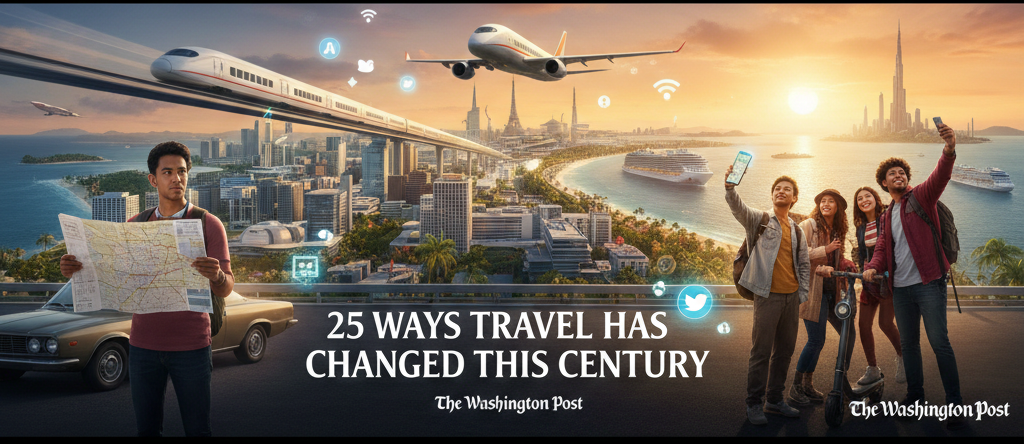
Travel in the 21st century has transformed dramatically compared to previous eras, influenced by technological advancements, cultural shifts, and global accessibility. This article explores 25 ways travel has changed this century, highlighting the key trends and innovations shaping the way we explore the world today.
Technological Advancements Revolutionizing Travel
Rise of Online Booking and Mobile Apps
The advent of the internet and smartphones has revolutionized travel planning. Travelers can now book flights, accommodations, and activities instantly via online platforms and mobile applications, streamlining the entire travel experience.
Use of GPS and Navigation Tools
GPS technology and navigation apps like Google Maps have made exploring new destinations easier and safer, providing real-time directions and travel information.
Changes in Transportation
Advancements in Air Travel
Air travel has become faster and more accessible with newer aircraft technologies and increased flight options, making it possible to reach more destinations quickly.
Growth of Sustainable Transportation
There is a growing emphasis on sustainable travel options, including electric vehicles and improved public transportation, motivated by environmental concerns.
Impact of Social Media and Digital Connectivity
Influence of Social Media on Destination Choices
Platforms like Instagram and TikTok influence traveler decisions, with visual content inspiring visits to lesser-known or trending destinations worldwide.
Instant Sharing and Travel Reviews
Real-time sharing and digital reviews have made it easier for travelers to make informed decisions and connect with local cultures.
Changing Traveler Preferences and Experiences
Shift Toward Experiential Travel
Modern travelers prioritize immersive experiences over traditional sightseeing, seeking authentic cultural interactions and local experiences.
Increase in Solo and Remote Travel
There has been a rise in solo travel and ‘digital nomadism’ enabled by remote work technologies, allowing people to work and travel simultaneously.
Globalization and Accessibility
More Accessible International Travel
Visa policies and international agreements have become more traveler-friendly, increasing cross-border mobility for tourism and business.
Diversification of Destinations
Previously less-visited countries have opened up to tourism, expanding the diversity of global travel destinations.
Health and Safety Enhancements
Improved Airport Security and Health Protocols
Post-9/11 security measures and health protocols, especially after the COVID-19 pandemic, have changed airport and in-flight experiences worldwide.
Travel Insurance and Health Awareness
There is increased awareness of travel insurance and health precautions, vital for modern travelers navigating global risks.
Economic and Environmental Considerations
Growth of Travel Economies and Budget Travel
The travel industry has expanded significantly, with budget airlines and affordable accommodations enabling more people to travel.
Focus on Sustainable Tourism
Evolving awareness around the environmental impact of travel has led to sustainability initiatives in hospitality, transportation, and tourism management.
Conclusion
In summary, the ways travel has changed this century reflect broader technological, social, and environmental trends shaping global mobility. From the rise of digital tools and social media to increased environmental consciousness and diverse traveler preferences, the modern travel landscape is more accessible, connected, and dynamic than ever before. Embracing these changes allows travelers to enjoy richer, safer, and more sustainable experiences worldwide.
