


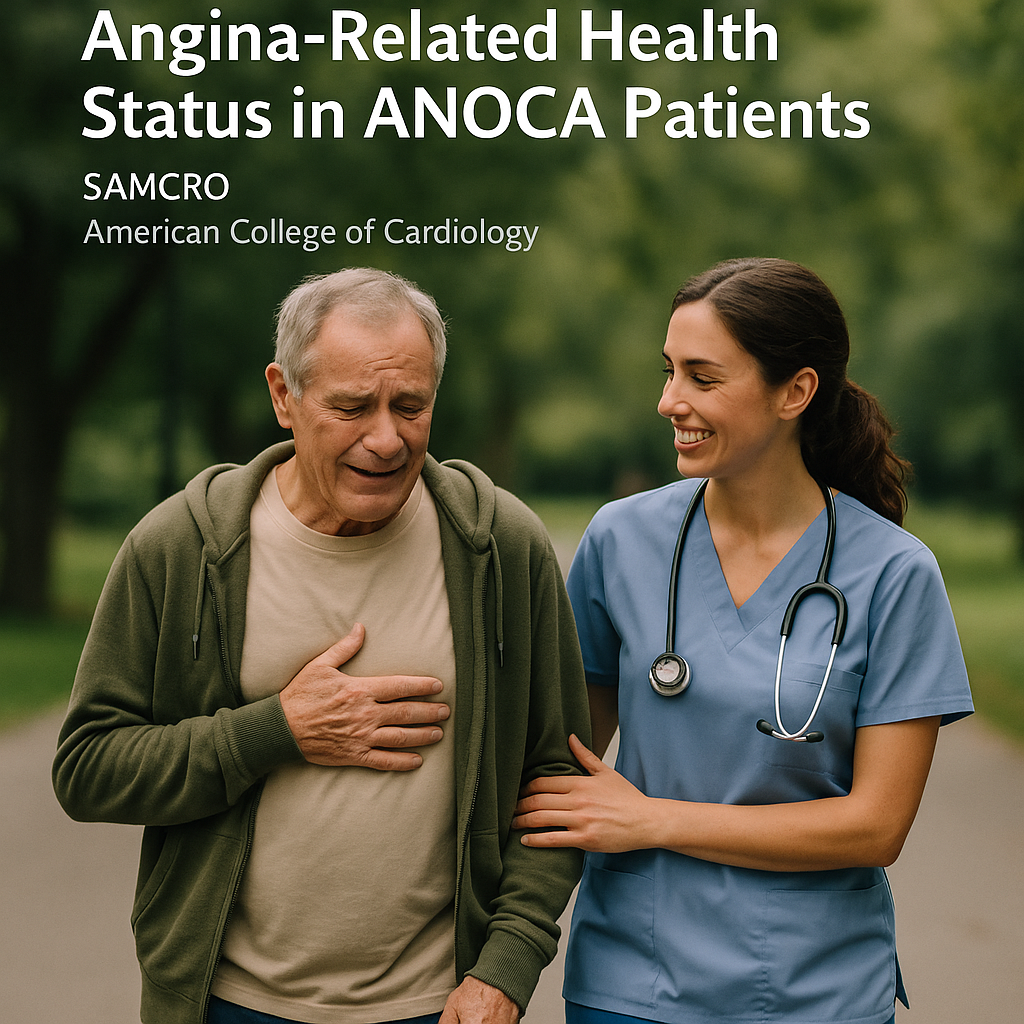
Lifestyle Intervention Improves Angina-Related Health in ANOCA Patients
Angina, characterized by chest pain due to reduced blood flow to the heart, is a concerning symptom for many patients. For those with Angina and No Obstructive Coronary Artery disease (ANOCA), managing symptoms can be particularly challenging since their arteries show no significant blockages. Recent research has highlighted how lifestyle intervention plays a crucial role in improving angina-related health status for individuals living with ANOCA.
Understanding ANOCA and Its Impact
ANOCA refers to patients who experience angina symptoms without detectable obstructive coronary artery disease. Despite the absence of blockages, these patients still suffer from chest pain and reduced quality of life. This condition often goes under-recognized, leading to treatment challenges and uncertainty for patients.
Symptoms and Diagnosis
Symptoms of ANOCA mirror those of typical angina, including:
- Chest pain or discomfort
- Shortness of breath
- Fatigue during physical activity
Diagnosis usually involves coronary angiography to rule out obstructive coronary artery disease and additional tests to identify microvascular dysfunction or endothelial dysfunction.
The Role of Lifestyle Intervention in ANOCA Management
Lifestyle changes have been demonstrated as effective non-pharmacological strategies to alleviate angina symptoms and improve daily functioning in ANOCA patients. These interventions focus on modifying risk factors and enhancing overall cardiovascular health.
Key Components of Lifestyle Intervention
- Dietary Improvements: Adopting a heart-healthy diet rich in fruits, vegetables, whole grains, and lean proteins can support vascular health.
- Regular Physical Activity: Structured exercise helps improve endothelial function and reduces symptoms severity.
- Stress Management: Techniques such as mindfulness, yoga, and relaxation exercises mitigate the impact of stress on heart health.
- Smoking Cessation: Eliminating tobacco use is vital, as smoking exacerbates vascular dysfunction.
- Weight Management: Maintaining a healthy weight reduces the burden on the cardiovascular system.
Benefits of Lifestyle Intervention for Angina-Related Health Status
Implementing lifestyle changes has shown promising results for improving the angina-related health status in ANOCA patients. These benefits include:
- Reduced Frequency and Severity of Chest Pain: Patients often experience fewer angina episodes and less intense symptoms.
- Enhanced Quality of Life: Improved physical capacity and emotional wellbeing lead to a better overall quality of life.
- Improved Cardiovascular Function: Lifestyle modifications enhance vascular tone and endothelial function.
Long-Term Impact
Long-term adherence to lifestyle interventions can potentially lower the risk of adverse cardiovascular events and decrease the necessity for invasive procedures or medications. Encouraging sustained behavioral changes is essential in managing chronic conditions like ANOCA.
Integrating Lifestyle Intervention Into Treatment Plans
Healthcare providers are increasingly recognizing the importance of personalized lifestyle intervention as part of comprehensive angina management in ANOCA. This approach should be supported by patient education, regular follow-ups, and multidisciplinary collaboration.
Steps for Successful Integration
- Patient Assessment: Evaluate lifestyle habits and cardiovascular risk factors.
- Goal Setting: Develop achievable and tailored lifestyle goals with patients.
- Monitoring and Support: Provide regular feedback and motivational support.
- Collaboration: Involve dietitians, exercise specialists, and mental health professionals when needed.
Conclusion
Lifestyle intervention plays a vital role in improving angina-related health status for patients with ANOCA. Adopting heart-healthy habits such as balanced nutrition, regular exercise, stress management, and smoking cessation contributes significantly to symptom relief and overall cardiovascular wellbeing. Incorporating these strategies into patient care ensures a holistic approach that not only addresses the physical aspects but also enhances quality of life. For individuals living with ANOCA, lifestyle changes offer a powerful tool to manage their condition effectively and promote long-term heart health.
