


Introduction
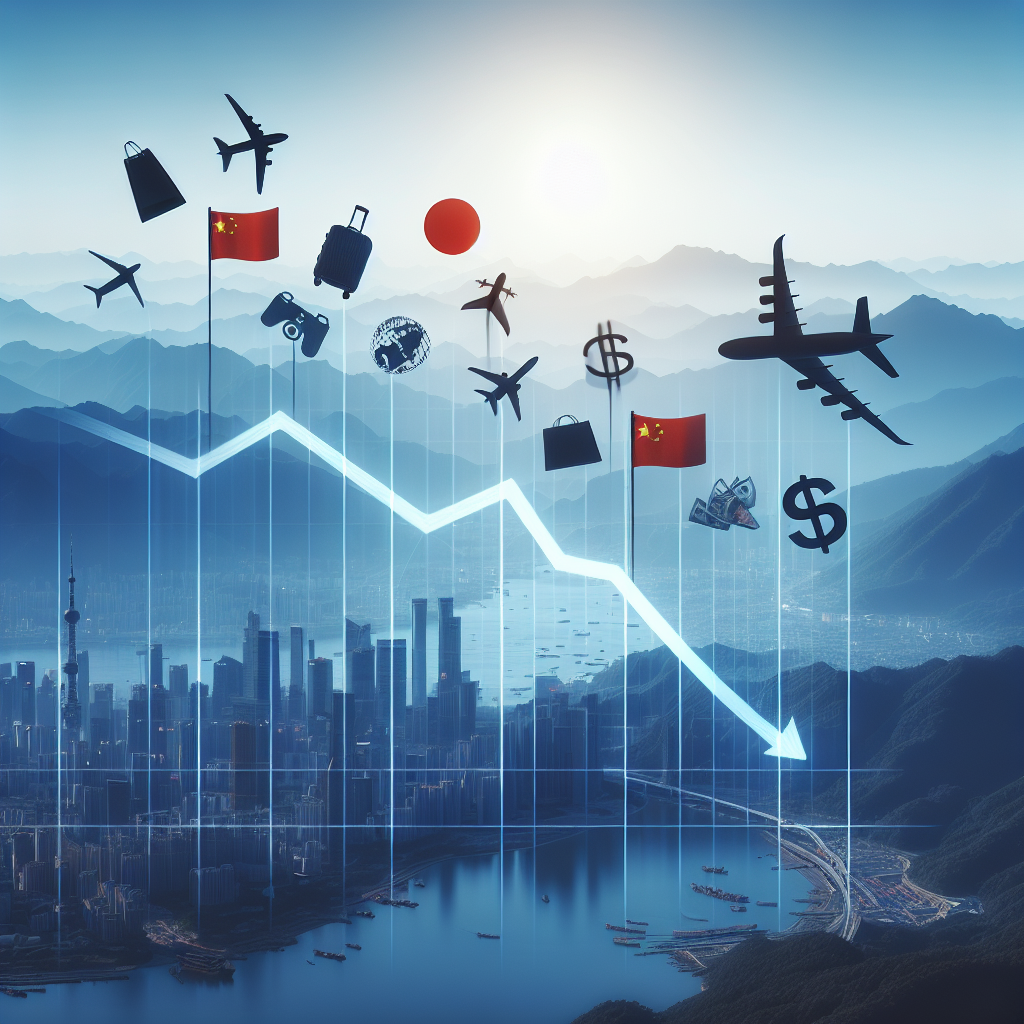
In a significant development impacting international tourism and financial markets, China recently issued a travel warning for its citizens considering trips to Japan. The directive has sent shockwaves through the tourism and retail sectors, causing shares of related companies in Japan to plunge sharply. This blog post delves into the reasons behind the warning, its effects on the markets, and the broader implications for the tourism and retail industries in both countries.
Why Did China Issue the Travel Warning?
The Chinese government’s travel warning for Japan comes amid rising diplomatic tensions and concerns over safety and political disputes. While tourism between the two countries had been steadily increasing in recent years, recent geopolitical issues have strained the relationship. The warning advises Chinese travelers to reconsider or avoid trips to Japan, citing unspecified safety concerns and emphasizing caution.
Underlying Political Tensions
China and Japan have longstanding historical and territorial disputes that periodically impact bilateral relations. Recent diplomatic spats have reignited old grievances, prompting China’s travel advisory. This move is widely viewed as a subtle form of political pressure intended to influence Japan’s policies and public sentiment.
Impact on Japan’s Tourism Sector
Japan has long relied on Chinese tourists as a vital component of its thriving inbound tourism industry. Chinese visitors constitute one of the largest groups of foreign tourists, contributing billions of dollars annually. The travel warning has led to an abrupt drop in bookings, canceled trips, and a visible dip in visitor numbers from China.
Tourism Shares Take a Hit
Following the announcement, shares in Japan-based tourism companies, including airlines, travel agencies, and hotel chains, experienced significant declines. Investors reacted swiftly to the anticipated drop in revenue caused by reduced Chinese footfall. The ripple effect is expected to dampen earnings forecasts and could prompt strategic shifts within these companies to diversify their tourist base.
Consequences for the Retail Sector
Retail industries benefiting from Chinese tourism have also felt the impact. High-end brands, shopping malls, and duty-free stores that thrived on Chinese consumer spending are witnessing a downturn. Chinese tourists are known for their substantial purchases in electronics, cosmetics, luxury goods, and fashion, making them crucial for the retail economy in major cities like Tokyo, Osaka, and Kyoto.
Market Reactions and Share Prices
Due to decreased spending, retail stocks linked to tourism have also suffered. Share prices of prominent retail chains have plunged, reflecting investor concerns over anticipated losses in sales revenue. This has prompted some retailers to reconsider marketing strategies and expand offerings aimed at other international and domestic customers.
Broader Economic Implications
The fallout from China’s travel warning is not limited to immediate stock market reactions. Tourism and retail are interconnected sectors that contribute significantly to Japan’s GDP and employment. Prolonged reductions in Chinese tourism could slow economic recovery post-pandemic and exacerbate challenges faced by small businesses in tourist hotspots.
Furthermore, this incident underscores the fragile nature of international tourism markets amid geopolitical tensions, reminding stakeholders of the importance of diversifying visitor demographics and strengthening diplomatic communications.
Conclusion
The travel warning issued by China for Japan has triggered a noticeable plunge in shares within the tourism and retail sectors, underscoring the deep economic ties between the two countries. While the short-term market volatility stems from political sensitivities, the long-term impact may necessitate strategic adjustments by Japanese businesses reliant on Chinese tourists. Navigating through such diplomatic challenges will require cooperation and resilience from both nations to sustain the vital flows of tourism and trade in the region.
